
The psychology behind risk-taking in casino environments
The allure of the unknown
Risk-taking in casino environments can be largely attributed to the allure of the unknown. When players enter a casino, they are often drawn by the excitement that comes with uncertainty. This unpredictability fuels the thrill of gambling, enticing individuals to engage in activities that have a chance of rewarding them significantly. The prospect of winning big can create a rush that overshadows the potential for loss, a phenomenon driven by psychological impulses that compel individuals to take risks. Many players find appealing opportunities, such as Aviator bet, which add an extra layer of excitement to the experience.
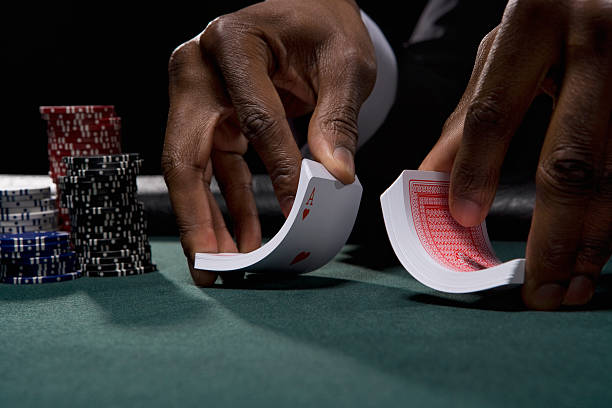
This psychological attraction is often amplified by the sensory experiences in casinos. Bright lights, engaging sounds, and the overall ambiance create a stimulating environment that promotes risk-taking behavior. As individuals find themselves immersed in this vibrant atmosphere, they may become more inclined to gamble recklessly, prioritizing short-term pleasure over long-term consequences.
The role of cognitive biases
Cognitive biases play a pivotal role in how individuals perceive risk in casino settings. Many players fall prey to the illusion of control, believing they can influence outcomes in games of chance through their skill or intuition. This misplaced confidence can lead to increased risk-taking, as players may overestimate their chances of success. The gambler’s fallacy also contributes to this mindset, with individuals convinced that past outcomes will influence future ones.
These biases can distort decision-making processes, often pushing players to engage in more high-stakes games or bet larger amounts than they initially intended. As a result, they may chase losses, believing that a big win is just around the corner, leading to a cycle of increased risk-taking that can be difficult to break.
The balance between luck and skill
In casino environments, the balance between luck and skill is a critical factor influencing risk-taking behavior. Games such as poker require a degree of skill, allowing players to feel a sense of agency over their outcomes. Conversely, games like slot machines rely purely on chance, yet they attract players through the promise of potentially life-changing jackpots. Understanding how individuals perceive this balance is essential for grasping their willingness to take risks.
The perception of skill versus luck can motivate players to take greater risks in certain games. Those who believe they possess the skills necessary to win may be more inclined to place higher bets, convinced that their expertise will lead to victory. This mindset can create a false sense of security, often resulting in excessive risk-taking that overlooks the fundamental element of luck inherent in all gambling.
The impact of social dynamics
Social dynamics also significantly influence risk-taking behavior in casino settings. Players often interact with others, forming a community that can encourage or deter certain behaviors. Observing fellow gamblers winning can trigger a desire to engage in similar risk-taking activities, as individuals may feel pressure to conform to group norms. This herd mentality can lead to impulsive decisions, driven by the excitement and validation of others.
Furthermore, peer influence can create a competitive atmosphere, prompting players to take risks they might otherwise avoid. The fear of missing out or not being part of the action can intensify the urge to gamble, pushing individuals to disregard their better judgment in favor of collective enjoyment. This social element adds another layer to the complex psychology behind risk-taking in casinos.

Understanding the casino environment
The environment of a casino is meticulously designed to enhance risk-taking behavior among patrons. From the layout of the gaming floor to the strategic placement of slot machines, every aspect is aimed at maximizing engagement and prolonging play. This intentional design fosters an immersive experience that captures the attention of players, compelling them to take risks they might otherwise avoid in a more subdued setting.
Moreover, the lack of clocks and windows serves to disorient players regarding time, encouraging longer gambling sessions. As individuals lose track of time, they may become increasingly willing to take risks, often betting more than they initially planned. Understanding these environmental cues is crucial for grasping how casinos effectively promote risk-taking behavior among their clientele.